Why I Switched from OneDrive to Ente Photos for Secure Photo Storage
Introduction
Backing up photos and videos is something most people think about only after losing something they can't get back. Local storage remains the most secure option as long as files are encrypted and access remains under your control. However, local storage fails when you need to pull up a file while away from home—a common need for anyone wanting quick access to a specific photo or video on the go. Services from big tech players like Google Photos and Microsoft OneDrive fill that gap effectively, and for a while, OneDrive was my go‑to solution.
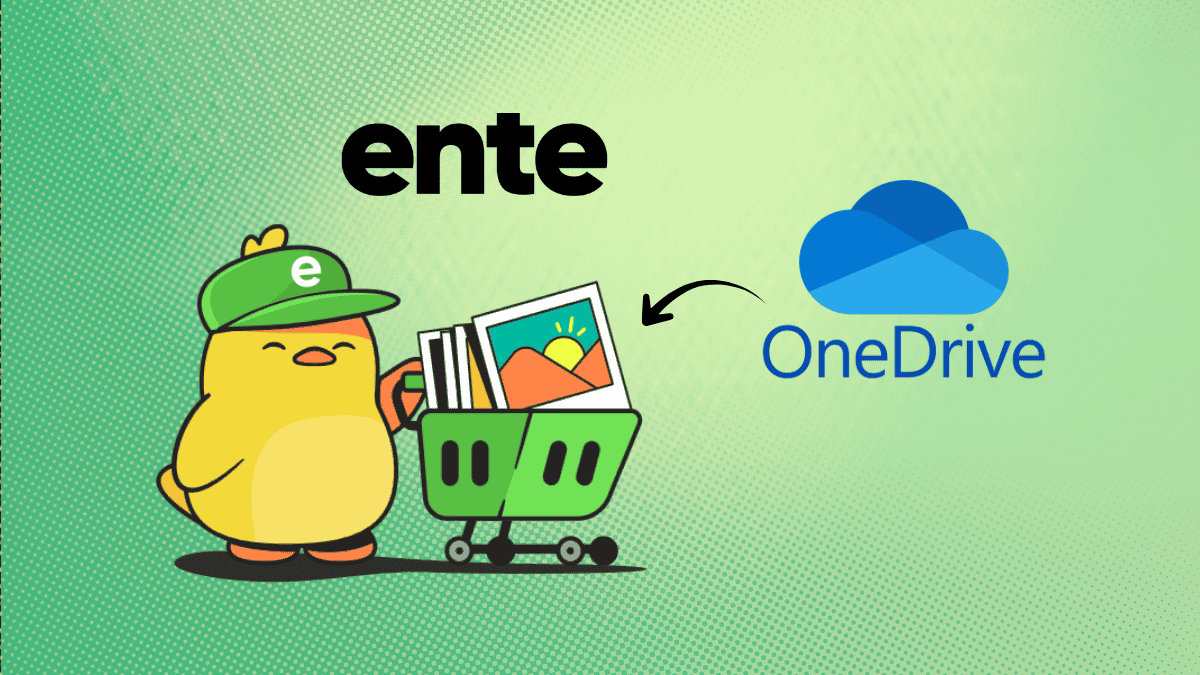
But as Microsoft aggressively pushed its Copilot feature across its entire product lineup, I began to worry. I thought, "It won't be long before some new Copilot‑powered feature is rolled out that messes around with images and videos." That concern drove me to look for alternatives. Initially, I considered Proton Drive, but I wanted something outside the Proton ecosystem. Eventually I settled on Ente Photos.
What Is Ente Photos?
Ente Photos is an open‑source, end‑to‑end encrypted photo storage service launched in 2020. Its goal, as the Ente team explains, is to help people preserve their memories with privacy, without relying on services that treat your data as a resource to be mined. In addition to photos, they offer Auth—a cross‑platform two‑factor authentication app that backs up your 2FA secrets in encrypted form—and Locker, designed for storing sensitive documents securely. (And yes, that's Ducky, Ente's mascot.)
We had the chance to speak with Vishnu Mohandas, Ente's founder, back in 2024. He shared his vision for building a privacy‑respecting alternative to Google Photos and iCloud Photos. Quite some time has passed since then, and I finally decided to try it out—and in the process, I moved away from yet another Big Tech service.
Preparing for Migration: Getting Files Out of OneDrive
Before I could do anything, I had to get my files out of OneDrive. And boy, does Microsoft keep things painfully slow there. Downloading files from the web version of OneDrive meant it would zip the folders first, then start the download process. That wouldn't work for me, since I had over 200 GB of files.
To fix the painfully slow downloads, I installed the OneDrive client on Windows 11 and configured it to keep a local copy of all files on my device. This gave me my files much faster than the website—the download completed in just a few hours. The files included a mix of types: most went onto an external hard disk, while photos and videos were kept separate for the move to Ente Photos.

Migrating to Ente Photos
I already had an Ente account, so I logged in and selected the 200 GB paid plan, which cost me ₹4,788 annually. Note that Ente charges in USD/EUR globally; what you pay in your local currency depends on conversion rates and your payment method. (They also offer a free tier with 10 GB of storage.)
After subscribing, I uploaded my photo and video collection using Ente's desktop app. The process was straightforward and completed within a few hours, thanks to the fast upload speeds. The end‑to‑end encryption gave me peace of mind—my memories are now stored on servers I trust, but only I can decrypt them.
Why Ente Photos Won Me Over
- Privacy first: Ente is open source and does not mine your data. No ad targeting, no AI training on your personal photos.
- End‑to‑end encryption: Files are encrypted before they leave your device, so even the company cannot access them.
- Cross‑platform support: Apps are available for Windows, macOS, Linux, iOS, and Android.
- Competitive pricing: The 200 GB plan is reasonably priced compared to similar encrypted storage options.
The only minor downside is that the free tier is limited to 10 GB, so most users will likely need a paid plan. But given the peace of mind, it's a small price to pay.
Conclusion
Moving from OneDrive to Ente Photos was easier than I expected, and I haven't looked back since. The combination of privacy, encryption, and a genuine respect for user data makes Ente a compelling choice for anyone concerned about how big tech handles their memories. If you're tired of services that treat your photos as a resource to be mined, I highly recommend giving Ente a try.
Related Articles
- The Strategic Blueprint for Enterprise AI Agents: Architecture, Impact, and Governance
- How a North Korean Threat Actor Infiltrated the Axios NPM Library
- 7 Major Enhancements in Gateway API v1.5 That Change the Game
- Simulation-First Manufacturing: How OpenUSD and Omniverse Are Revolutionizing Production
- Navigating the Global Energy Transition: Lessons from the Santa Marta Summit and Clean Tech Trends
- Swift Breaks Free: Expands IDE Support to Cursor, Antigravity, and More via Open VSX
- Full macOS Workspace Restoration: Automate Apps, Windows, Spaces & Browser Profiles
- CANopenTerm: A Terminal-Based Swiss Army Knife for CAN Bus Analysis