Tesla Unveils Semi Charging Solutions: Basecharger and Megacharger for Fleets
Electric truck charging is taking a major step forward with Tesla's new Semi Charging for Business program. Designed to give fleet operators and businesses full control over their charging infrastructure, the initiative introduces two distinct charging options: the high-power Megacharger and a new, lower-power Basecharger. The program aims to simplify depot and overnight charging while offering transparent pricing. Below, we answer the most common questions about this exciting development.
What is the Tesla Semi Charging for Business program?
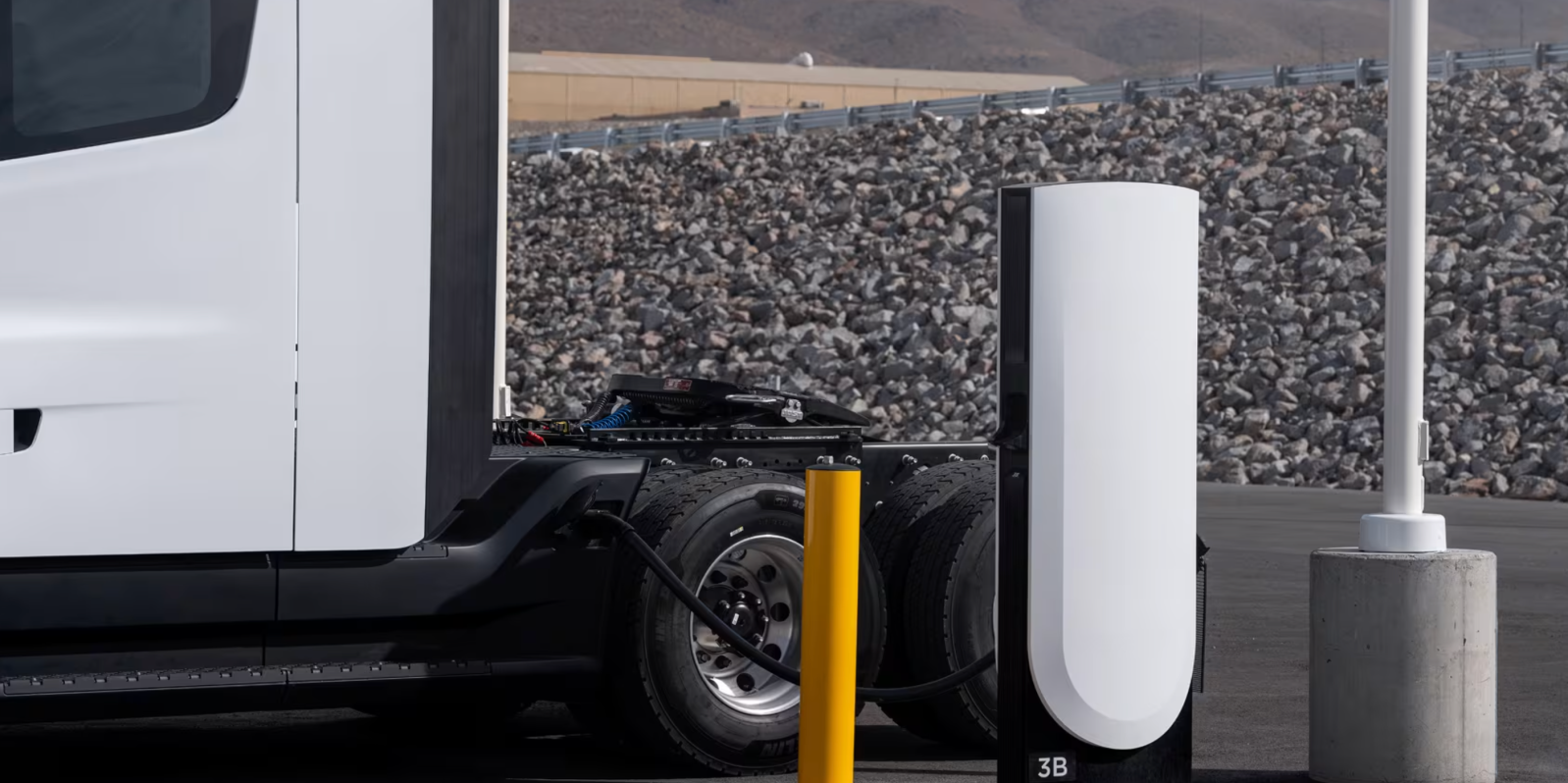
The Tesla Semi Charging for Business program is a dedicated initiative that allows fleet operators and other businesses to purchase and install their own Tesla charging equipment for the Tesla Semi truck. Instead of relying solely on public Megacharger stations, companies can set up custom charging solutions at their depots or other facilities. The program offers two charger options: a new Basecharger with a 125 kW output optimized for overnight depot use, and the more powerful Megacharger designed for faster daytime charging. Tesla also provides an all-inclusive fee structure for electricity usage, making operational costs predictable. This move is part of Tesla's broader strategy to accelerate the adoption of electric heavy-duty trucks by removing infrastructure barriers.
What is the Basecharger and how does it differ from the Megacharger?
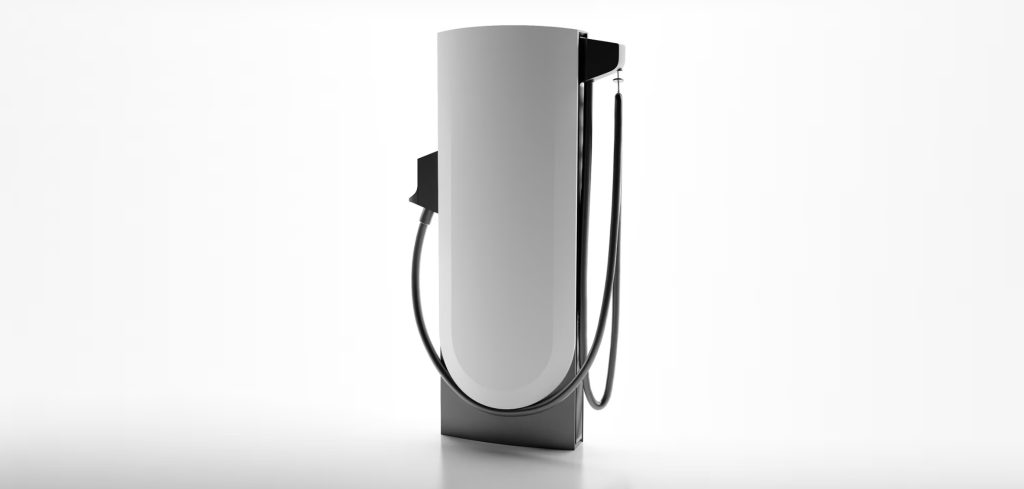
The Basecharger is a brand-new, lower-power charging station introduced under the Semi Charging for Business program. It delivers 125 kW of power, making it ideal for overnight or depot-based charging where vehicles can be plugged in for several hours. In contrast, the Megacharger is Tesla's high-power charging system for the Semi, capable of much faster charging speeds. While the Basecharger is suited for slower, low-demand scenarios, the Megacharger is intended for rapid top-ups during the day or for fleet operations that require quick turnaround. Both chargers are owned and installed by the business, but the Megacharger comes at a higher upfront cost and requires more robust electrical infrastructure. The Basecharger offers a more affordable entry point for companies with less demanding charging needs.
How much does a Megacharger cost and what does the price include?
According to Tesla's online configurator, the starting price for a Megacharger setup is $188,000. This price covers two Megacharger posts, but it does not include taxes or installation costs. The configuration suggests that businesses will need to budget additional funds for site preparation, electrical upgrades, and labor. However, the price does include the hardware itself—each post is a high-power direct current (DC) fast charger capable of refilling a Tesla Semi's battery in a short time. Tesla likely offers the dual-post configuration to allow simultaneous charging of two trucks or to provide redundancy. For comparison, the Basecharger's pricing has not yet been disclosed, but it is expected to be significantly lower due to its reduced power output and simpler design.
What is the per-kWh fee and who qualifies for it?
Tesla charges an all-inclusive fee of $0.08 per kWh for electricity used at revenue-generating sites equipped with Tesla Semi chargers. This flat rate covers the cost of energy and likely includes some level of maintenance or grid service fees. The fee applies to sites that are generating revenue—meaning fleet operators who use the chargers for commercial operations, not for personal or test use. For businesses that install the chargers themselves, this structure simplifies budgeting because they know exactly how much each kilowatt-hour will cost. The $0.08/kWh figure is competitive with average commercial electricity rates in the U.S. and could make total cost of ownership for the Tesla Semi very attractive, especially when combined with lower fuel and maintenance costs compared to diesel trucks.
How can businesses order and install these chargers?
Businesses interested in the Semi Charging for Business program can visit Tesla's online configurator to select and configure their charging equipment. The configurator allows users to choose between the Basecharger and Megacharger options, view pricing, and presumably initiate an order. Installation is handled separately—Tesla likely works with approved electrical contractors or provides guidelines for local installers. Fleet operators must ensure their site has adequate electrical capacity (especially for the 1 MW+ Megacharger) and obtain necessary permits. Once the chargers are installed and commissioned, the business can begin charging its fleet. Tesla may also offer support for integrating the chargers with its fleet management software to monitor energy usage and optimize charging schedules.
What are the benefits of using Tesla's charging solutions for fleets?
Ownership of Tesla's charging infrastructure offers several key advantages. First, it provides total control over charging schedules—fleets can charge overnight using cheaper electricity rates without relying on public chargers. Second, the Basecharger and Megacharger are designed specifically for the Tesla Semi, ensuring optimal compatibility and charging speeds. Third, the $0.08/kWh fee for revenue-generating sites creates predictable energy costs. Additionally, by owning the chargers, businesses can avoid crowded public stations and reduce downtime. Lastly, Tesla's network integration could enable future vehicle-to-grid (V2G) applications or energy storage synergy. For large fleets, these benefits translate into lower total cost of ownership, improved operational efficiency, and a clear path to decarbonizing heavy transport.
Are there any additional costs or installation requirements I should know about?
Yes, several additional factors affect the total investment. The $188,000 price for the Megacharger pair does not include taxes, permits, site preparation, electrical panel upgrades, trenching, or labor. Installing a Megacharger, which can draw over 1 MW of power, may require a new transformer, making utility coordination essential. For the Basecharger at 125 kW, requirements are less extreme but still include a dedicated circuit and possibly a step-down transformer. Businesses should also budget for ongoing maintenance, though Tesla may include some support in the per-kWh fee. Additionally, fleet operators must evaluate their local utility's demand charges and time-of-use rates to optimize charging schedules. It is highly advisable to consult with Tesla's authorized installers and a qualified electrical engineer before proceeding.
Related Articles
- From Prototype to Production Line: A Guide to the Tesla Semi's High-Volume Manufacturing Milestone
- Beyond Playground Small Talk: Why Moms Crave Real Conversations
- Ugreen Expands Apple-Ready Charging Lineup with Compact, Travel-Friendly Options
- Sweden Adds 103 Electric Buses to Public Transit Fleets
- Tesla Unveils Semi Charging Program: Basecharger and Megacharger Costs Revealed
- Streamlining Dataset Migrations at Spotify: How Honk, Backstage, and Fleet Management Work Together
- Tesla's Self-Driving Promise: One Owner's Court Victory and Ongoing Battle
- Revolutionary Cement Formula Could Slash Global CO2 Emissions by 8% - Scientists Eliminate Limestone's Carbon Footprint