Q&A: Why Did Nordic Electric Car Sales Hit a New High in April?
In April, electric vehicle (EV) sales across the Nordic region smashed previous records, underscoring the area's role as a global leader in electric mobility. Norway and Denmark continued to dominate, with Sweden and Finland also posting strong gains. Below, we answer key questions about this milestone, covering the leading markets, driving factors, and what the record means for the future of EVs in Northern Europe.
1. What exactly was the record set in April for Nordic EV sales?
April saw the highest-ever monthly sales volume of fully electric cars across the Nordic countries—collectively, Denmark, Finland, Norway, and Sweden. While exact figures vary by source, the combined total surpassed all previous months, confirming a steep upward trend. This record reflects not only growing consumer demand but also improved supply chains, more model choices, and expanded charging infrastructure. Norway remained the clear leader by market share, accounting for roughly four out of five new car sales as electric, while Denmark contributed a large percentage increase from the year before.
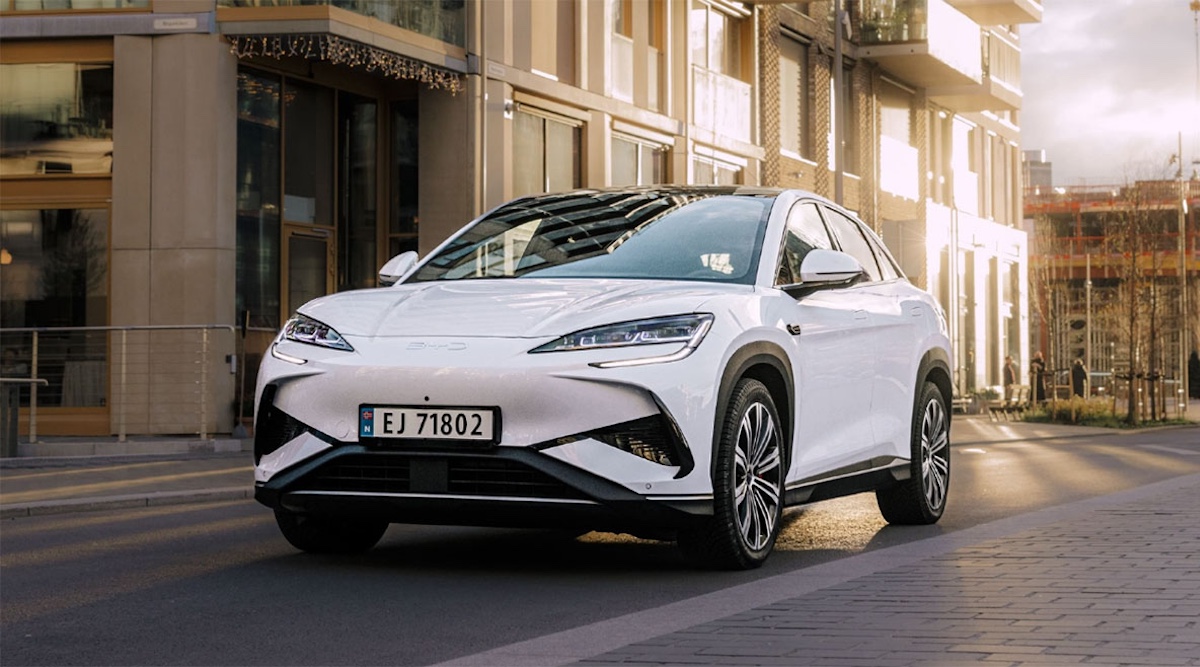
2. Which Nordic country led the charge in April?
Norway took the top spot, as it consistently does, with electric cars representing about 80% of all new passenger car registrations in April. This is the highest penetration rate in the world. Denmark followed closely, posting its own best-ever month for EV sales, with market share nearing 50%. Sweden and Finland also hit new personal records, though their overall percentages were lower. The strongest growth rate, however, belonged to Denmark, which has been rapidly closing the gap thanks to generous purchase incentives and a rising number of affordable EV models.
3. Why are Nordic countries so successful at selling electric cars?
The Nordic region benefits from a unique combination of factors. First, all four countries offer substantial financial incentives—such as VAT exemptions, reduced road taxes, and free parking—that make EVs cheaper to buy and run than petrol or diesel cars. Second, the electricity grid is already largely powered by renewable energy, giving drivers a genuinely low-carbon option. Third, governments have invested heavily in fast-charging networks, making long-distance travel feasible. Finally, consumer attitudes are highly eco-conscious, and automakers are prioritizing the region with new launches. These elements together create a virtuous cycle that keeps pushing sales records.
4. How did Norway achieve such a high EV market share?
Norway’s success is not accidental—it is the result of decades of consistent policy. The country exempts battery-electric vehicles from most purchase taxes, which can be extremely high for fossil-fuel cars. It also waives tolls, allows EV drivers to use bus lanes, and provides free or discounted parking in many cities. These benefits have been in place since the early 2000s, giving consumers time to adopt and trust the technology. By April, EVs accounted for roughly 80% of new sales, a record even for Norway. The country now aims to end sales of new petrol and diesel cars by 2025.
5. What role did Denmark, Sweden, and Finland play in the record?
Denmark saw the biggest percentage jump in April, with EV market share exceeding 45%—almost double the figure from a year earlier. This surge was driven by the arrival of several new budget-friendly EV models and generous tax exemptions that were extended in early 2024. Sweden, traditionally a strong market, added a solid volume increase, reaching about 35% EV share. Finland, though smaller in absolute numbers, also hit a new domestic record of roughly 30%. Together, these three countries contributed enough sales to lift the Nordic total to an all-time high.
6. Will the Nordic EV sales record continue to grow in coming months?
Almost certainly yes. The underlying drivers—policy support, expanding charging networks, and falling EV prices—remain intact. Moreover, the record in April came despite ongoing economic uncertainty and higher interest rates, suggesting that demand is resilient. Automakers are planning to launch even more affordable models later in 2024, which should attract new buyers. However, growth may moderate if subsidies are scaled back in some countries, or if grid capacity becomes a bottleneck. For now, the Nordic region is on track to achieve its ambitious climate targets in road transport.
Related Articles
- Tank Pad Ultra Breaks Cover: Rugged Tablet Packs Brighter Projector, Weaker Processor at $599
- Harmonizing Land Use: A Unified Approach to Tackle Global Food, Energy, and Conservation Conflicts
- How to Uncover Ancient Copper Smelting in a Cave: An Archaeological Field Guide
- Rivian to Build Own Lidar Sensors as EV Maker Pushes Full Autonomy In-House
- Transportation Secretary Sean Duffy Balances Reality TV Filming with Official Duties Amid Oil Price Concerns
- How Volkswagen Is Reinventing the Hot Hatch: The Electric GTI Clubsport Guide
- The Ultimate Guide to Owning and Riding the Macfox X7: A Street-Legal Electric Moped
- Mother's Day Power Deals: EcoFlow, Segway, Greenworks, and More – Q&A