Victoria Wind Farm Faces Turbine Blade Failure Years After Lightning-Induced Incident
Introduction
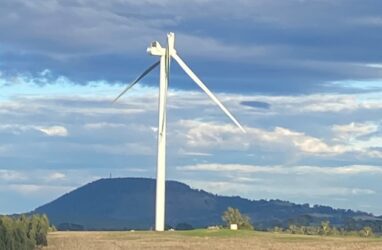
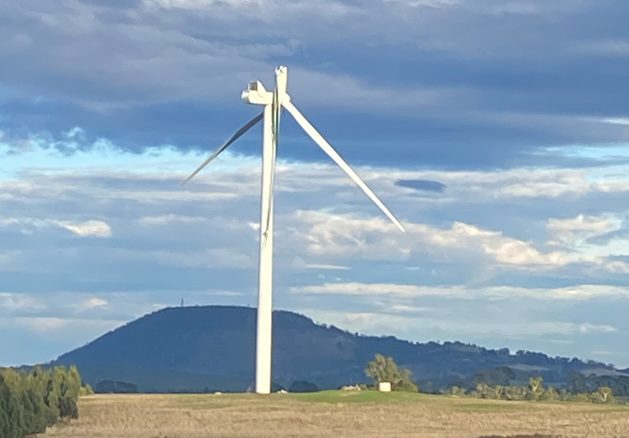
In a concerning development for Australia's renewable energy sector, a wind turbine blade has broken off and fallen to the ground at a wind farm in Victoria. This incident echoes a similar event at the same site in 2019, which was attributed to a lightning strike. The latest failure raises questions about turbine longevity, maintenance practices, and the resilience of wind energy infrastructure against extreme weather.
The Incident: Blade Detachment and Fall
According to reports, the blade snapped from its mounting and plummeted to the earth, landing within the wind farm's boundaries. No injuries or property damage outside the facility have been reported, but the occurrence has prompted an immediate investigation by the operator. The wind farm, whose specific location has not been publicly disclosed to protect commercial sensitivities, is understood to have been operating for several years.
Blade failures are rare but not unheard of in the wind industry. They can result from manufacturing defects, material fatigue, extreme operational loads, or damage from environmental factors such as lightning, hail, or high winds. In this case, the recurrence of an incident at the same wind farm has focused attention on the site's vulnerability and the effectiveness of post-2019 remediation measures.
A Recurring Problem? The 2019 Lightning Strike
In 2019, a turbine at the same Victorian wind farm suffered a blade failure following a direct lightning strike. That event was thoroughly investigated, leading to modifications in lightning protection systems and enhanced inspection protocols. The operator at the time stated that all turbines had been reviewed and retrofitted where necessary to prevent a repeat occurrence.
Lightning Damage and Blade Integrity
Lightning strikes are a well-known hazard for wind turbines, as their tall, isolated structures act as natural lightning rods. Modern turbines are equipped with receptors, down conductors, and surge protection to safely channel electrical energy to ground. However, despite these protections, a severe strike can still cause thermal damage by composite materials, leading to delamination, cracks, or hidden structural weaknesses that may only become apparent under later operational stresses.
It is unclear whether the latest blade failure is directly linked to lightning or if other factors are involved. Investigators will likely examine whether the 2019 incident left any residual damage that compromised the blade over time, or if the new failure stems from an unrelated cause. The close proximity of the two events in both time and location suggests a possible pattern that demands careful analysis.
Industry Response and Safety Measures
The news of this blade failure has stirred discussions within the wind energy community about best practices for monitoring turbine health. Operators across Australia are now reviewing their own maintenance schedules and lightning mitigation strategies. The Clean Energy Council, which represents the sector, has called for a transparent investigation and the sharing of findings to improve industry-wide safety.
Inspection Protocols and Design Improvements
One key area of focus is the inspection frequency and methodology for turbine blades. Traditional visual inspections from the ground or using drones can identify surface cracks but may miss internal damage. Advanced techniques such as thermography, acoustic emission testing, and ultrasonic scanning are increasingly being adopted to detect subsurface flaws.
Design improvements also continue to evolve. Manufacturers are developing blades with better lightning protection, using conductive materials and optimized receptor placement. Some newer blade designs incorporate redundant structural paths so that a single point of failure does not lead to catastrophic detachment. Retrofitting older turbines with such upgrades is a cost-benefit decision that operators must weigh carefully.
Another lesson from this incident is the importance of learning from past events. In the wake of the 2019 failure, the operator implemented enhanced monitoring, but the recurrence suggests that more robust measures may be needed. Independent audits of lightning protection systems, along with mandatory reporting of near-misses, could help the industry stay ahead of potential failures.
Looking Ahead: Maintaining Reliable Wind Energy
Wind power is a cornerstone of Australia's renewable energy transition, and incidents like this underscore the need for continuous improvement in operational standards. While blade failures are statistically rare, each event erodes public confidence and can lead to costly downtime. The Victorian wind farm operator is expected to release a full report once the investigation concludes, which may include recommendations for all Australian wind farms.
For now, the site remains partially operational, with the affected turbine isolated and cordoned off. The fallen blade will be examined forensically to determine the root cause. In the meantime, the wind energy industry and regulators will be watching closely, hoping that the findings will translate into safer, more resilient turbines for decades to come.
Related Articles
- How GlowReadTTS Brings Private, High-Quality Text-to-Speech to Your Browser
- Monday.com Shifts to AI-First Platform, Introduces Autonomous Work Agents
- Harnessing Design Principles for Team Alignment and Product Excellence
- Harnessing AI for Accessibility: Opportunities and Realistic Progress
- 10 Ways AI Can Transform Accessibility for People with Disabilities
- How to Protect Your Browser from Malicious AI Extensions That Steal Your Data
- HashiCorp Vault Unveils Native AI Agent Security Controls
- Before You Open Obsidian, Ask Yourself This One Question About Your Mind