Labyrinth 1.1 Q&A: Boosting Reliability of End-to-End Encrypted Backups
Welcome to our Q&A on Labyrinth 1.1, the latest update to Meta's encrypted storage protocol for Messenger. This version introduces a new sub-protocol that significantly improves the reliability of end-to-end encrypted backups, ensuring your message history remains intact even if you lose a device, switch to a new one, or have long gaps between sign-ins. Dive into the details below, or use these quick links to jump to specific questions:
- What is Labyrinth 1.1 and why was it developed?
- How does Labyrinth 1.1 improve backup reliability?
- What problem does the new sub-protocol solve?
- How does message encryption work in Labyrinth 1.1?
- What are the practical benefits for users?
- Is Labyrinth 1.1 already deployed, and what results are seen?
- Where can I read more technical details?
What is Labyrinth 1.1 and why was it developed?
Labyrinth 1.1 is an updated version of Meta's encrypted storage protocol for Messenger, designed to make end-to-end encrypted backups more reliable. The original Labyrinth, launched in 2023, allowed users to back up their message history across devices without Meta or anyone else being able to read it. However, the process had a limitation: messages were backed up only when the recipient's device came online. This could lead to lost messages if a device was lost, switched, or if a user had a long gap between sign-ins. Labyrinth 1.1 addresses this by introducing a new sub-protocol that enables messages to be placed directly into the recipient's encrypted backup as soon as they are sent, without waiting for the recipient's device. This ensures no messages are missed, even under challenging circumstances.
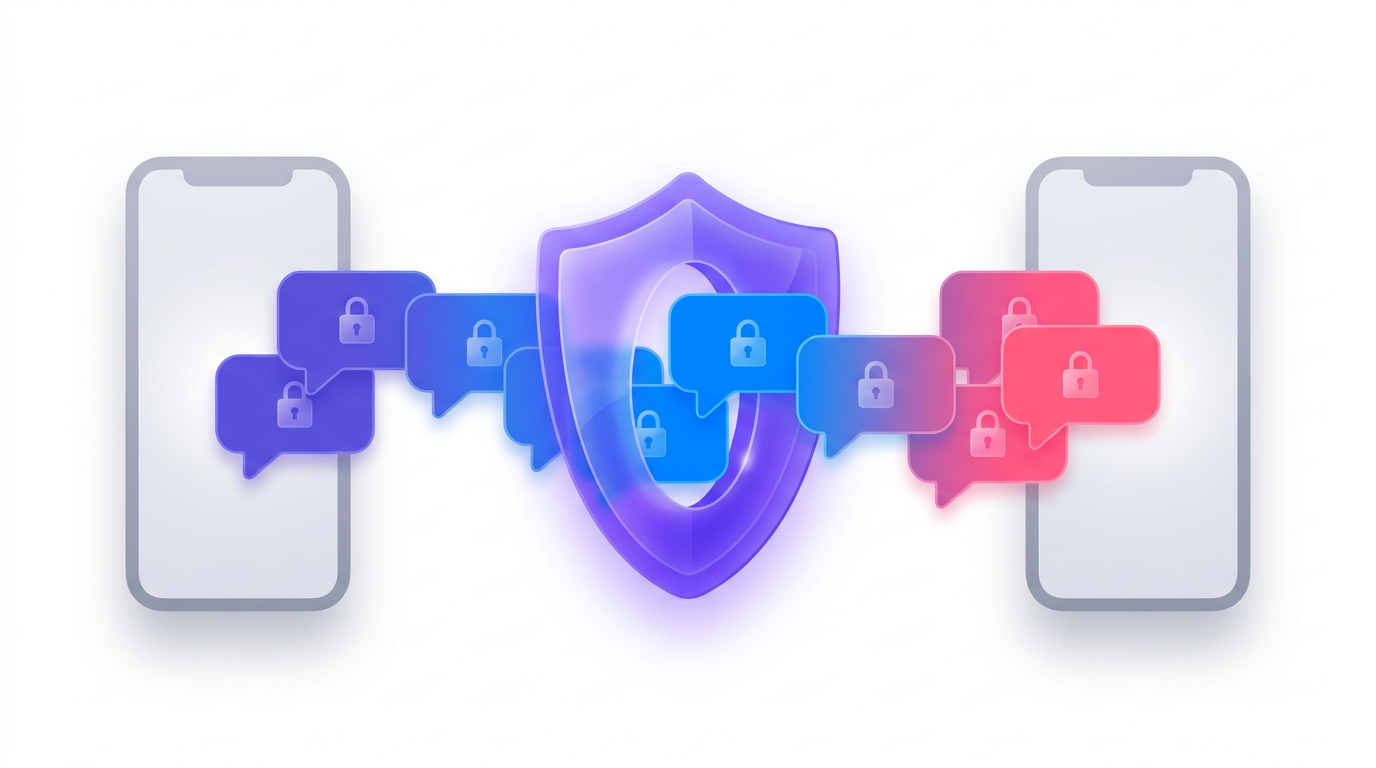
How does Labyrinth 1.1 improve backup reliability compared to the previous version?
The key improvement is a shift in when messages enter the encrypted backup. Previously, Messenger's encrypted backups worked by having the recipient's device upload messages to the backup only after coming online. If the device was lost or offline for an extended period, some messages might never reach the backup. Labyrinth 1.1 introduces a sub-protocol where the sender places each message directly into the recipient's backup at the time of sending. This means that even if the recipient's device is offline, lost, or replaced, all messages are securely stored in the backup as they are sent. The backup acts like a locked box that only the recipient can open, and the sender drops a sealed envelope into it. No waiting, no gaps—just continuous protection for your entire message history.
What problem does the new sub-protocol solve?
The new sub-protocol solves the problem of message loss during device transitions or prolonged offline periods. In the original Labyrinth system, encrypted backups relied on the recipient's device to initiate the backup process. If a user lost their phone, switched to a new device, or simply didn't sign in for a long time, messages sent during that interval might never be backed up. The recipient would lose access to those messages permanently, even though they were encrypted and securely transmitted. Labyrinth 1.1's sub-protocol eliminates this risk by allowing the sender to directly deposit messages into the backup—similar to adding a sealed envelope to a locked box that only the intended recipient can unlock. This ensures that every message is captured in the backup as it's sent, regardless of the recipient's device status.
How does message encryption work in Labyrinth 1.1?
Each message is wrapped with a unique message encryption key known only to the sender and recipient. When the sender dispatches a message, they place that encrypted envelope directly into the recipient's encrypted backup—not onto the recipient's offline device. This backup is itself encrypted with a key that only the recipient possesses (often derived from their account credentials). So, the message goes into a locked box (the backup) inside an envelope (the message encryption). No one—not Meta, not any third party—can read the message except the sender and the intended recipient. When the recipient eventually comes online or switches to a new device, they can access their backup, unlock the box, and open each envelope using their private keys. This design ensures both secrecy and reliability, as messages are stored before the recipient ever interacts with them.
What are the practical benefits for users?
Users gain peace of mind that their message history will survive common scenarios like losing a phone, switching to a new device, or taking long breaks from Messenger. With Labyrinth 1.1, you no longer need to worry that messages sent while your old device was offline will be lost forever. The backup captures them as they're sent. So when you log into a new phone or after months away, your entire conversation history—every photo, text, and sticker—is restored just as it was. This is especially valuable for people who rely on Messenger for important communications and cannot afford to lose any part of their history. It's a seamless, invisible layer of security that works without any extra effort from the user.
Is Labyrinth 1.1 already deployed, and what results are seen?
Yes, Labyrinth 1.1 is being rolled out broadly to Messenger users right now. Meta has already observed meaningful gains in the form of more messages being successfully backed up and more people being able to restore their full history when they get a new device. While exact metrics aren't public, the improvement is significant enough to validate the new sub-protocol's design. This is a major step forward for end-to-end encrypted backups at scale, demonstrating that reliability can be enhanced without compromising privacy. As more users gain access to the update, Meta expects the trend of successful backups and restores to continue improving.
Where can I read more technical details?
For a deep dive into the cryptographic design and implementation of Labyrinth 1.1, check out Meta's updated white paper titled "The Labyrinth Encrypted Message Storage Protocol." It provides full specifications of the new sub-protocol, security proofs, and deployment considerations. You can access it directly from the Meta Engineering blog or search for the paper online. The white paper is essential reading for cryptographers, security engineers, and anyone curious about how end-to-end encryption works behind the scenes in one of the world's largest messaging platforms.
Related Articles
- Canonical Begins Modernizing Launchpad's Core Interface After Decade of Neglect
- 10 Key Updates in Swift: March 2026 Edition
- How to Get Ready for the Apple Watch Series 12 and watchOS 27 Launch
- 7 Essential Facts About Kubernetes User Namespaces GA in v1.36
- Kubernetes 1.36 Unleashes Next-Gen Dynamic Resource Allocation: Stable Prioritized Lists, Device Taints, and More
- Stop Overlooking Experience: A Step-by-Step Guide to Hiring Older Workers for a Competitive Edge
- Rust 1.95.0 Released: New cfg_select! Macro and Enhanced Pattern Matching Reshape Development
- 7 Essential Insights on Why Good Designers Create Inaccessible Websites (And How to Fix It)