How Chinese EV Makers Can Secure a European Factory: A Step-by-Step Guide
Introduction
As Chinese electric vehicle (EV) makers like XPeng and BYD accelerate their global expansion, acquiring existing automotive plants in Europe has become a strategic move to bypass tariffs, reduce shipping costs, and meet soaring demand. In April, XPeng’s exports jumped 62% year-over-year to a record 6,006 vehicles, straining its contract production in Austria. This surge, coupled with BYD’s reported talks with Stellantis, underscores a broader trend of localization. This guide outlines the critical steps a Chinese EV manufacturer can take to successfully negotiate and acquire a European factory, using XPeng’s recent discussions with Volkswagen as a real-world example.
What You Need
- Strong export track record: Demonstrated growth in vehicle shipments (e.g., 62% YoY increase).
- Financial capacity: Sufficient capital for acquisition, legal fees, and potential retrofitting.
- Legal and regulatory team: Experts in EU antitrust, labor, and environmental laws.
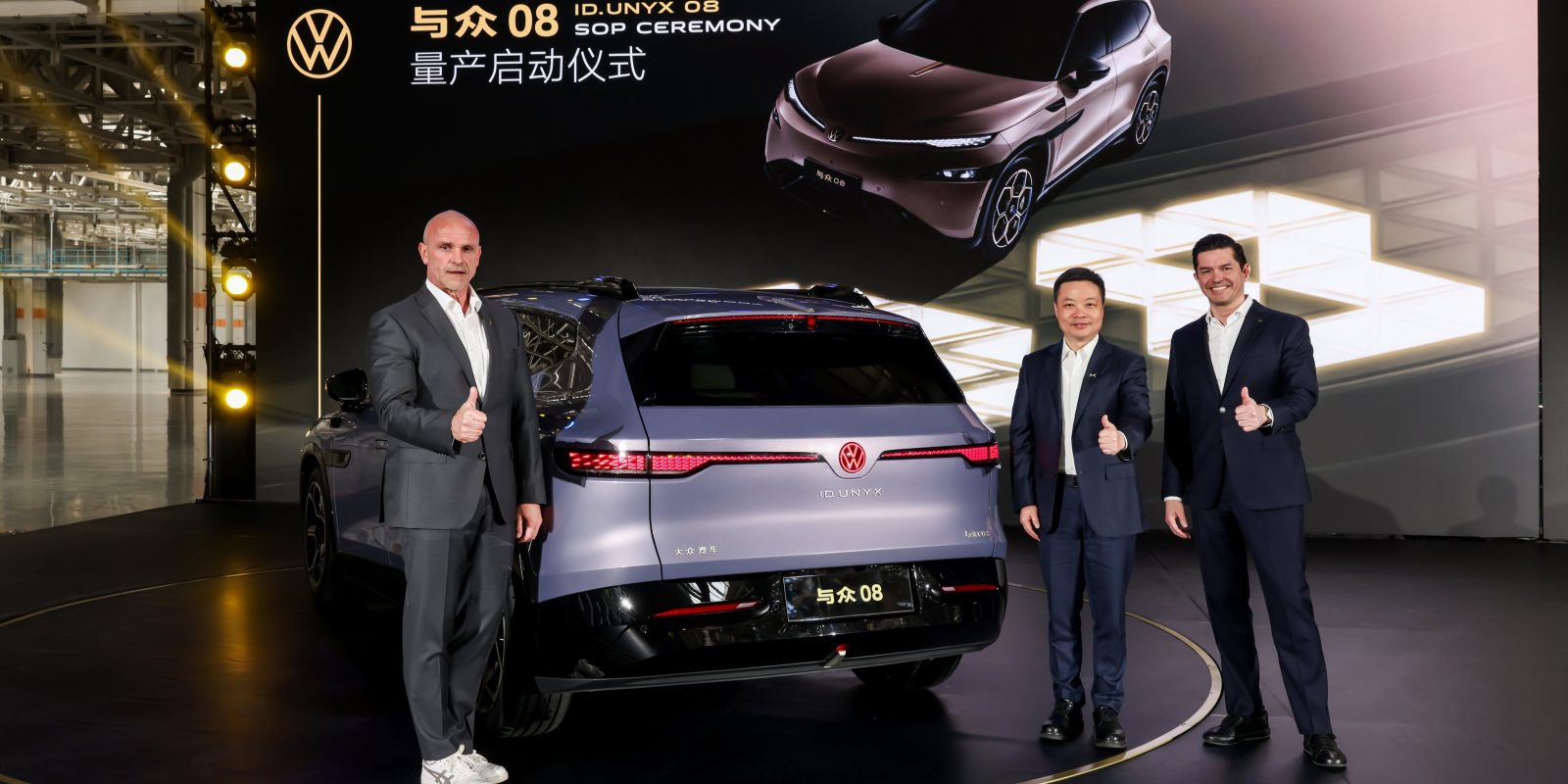
- Existing partnership or rapport: Prior business ties with European automakers (like XPeng’s technology-sharing agreement with Volkswagen).
- Production capacity bottleneck: Proof that current contract manufacturing can’t keep up with demand.
Step-by-Step Process
Step 1: Assess Export Growth and Capacity Constraints
Before pursuing a factory purchase, analyze your export data to confirm sustained demand. XPeng, for instance, saw monthly exports hit 6,006 units in April—a 62% rise from the previous year. If your contract manufacturing (like XPeng’s arrangement in Austria) is maxed out, it’s time to consider owning a facility. Create a detailed report showing production gaps, projected sales in Europe, and the cost savings of local assembly.
Step 2: Identify Potential Acquisition Targets
Look for idle or underutilized plants owned by legacy automakers that are restructuring. Volkswagen, for example, is shifting to EVs and may have surplus capacity. Research plants in Germany, Spain, or Eastern Europe that match your production scale. Consider location for logistics, access to suppliers, and labor costs. Simultaneously, monitor competitors: BYD is exploring deals with Stellantis, so act quickly to secure first-mover advantage.
Step 3: Initiate Negotiations with Automakers
Approach target automakers with a clear proposal. Start with existing partners—XPeng and Volkswagen already collaborate on technology, making the talks more natural. Draft terms including purchase price, timeline, and whether you’ll retain existing workforce. Be prepared to discuss compliance with EU regulations. Use your export growth (record 6,006 vehicles) as leverage to demonstrate commitment.

Step 4: Secure Financing and Regulatory Approvals
Acquiring a European plant requires significant funding. Tap into your company’s cash reserves, seek bank loans, or negotiate seller financing. Obtain antitrust clearance from the European Commission and local authorities. Also address labor union concerns—German works councils, for instance, have strong rights. Hire local legal counsel to navigate the nuances of each country’s foreign investment laws.
Step 5: Finalize the Deal and Integrate Production
Once terms are agreed and approvals obtained, sign the purchase agreement. Plan the transition: retool the plant for your EV platforms, train staff, and manage supply chains. XPeng would likely need to adapt the Volkswagen plant for its smart EV technology. Set a timeline for first vehicle roll-off, often 12–18 months post-acquisition. Monitor export figures to ensure the new capacity alleviates bottlenecks.
Tips for Success
- Leverage existing relationships: Technology or supply partnerships (like XPeng-Volkswagen) make acquisition talks smoother.
- Stay ahead of competitors: BYD’s aggressive moves mean delays could lose you the best factories.
- Plan for cultural integration: European labor practices differ from Chinese ones; invest in cross-cultural management training.
- Factor in Brexit: If considering a UK plant, account for trade barriers with the EU.
- Monitor policy changes: EU carbon tariffs and EV incentives evolve—update your business case regularly.
Related Articles
- EU Faces Pressure on Methane Rules as Renewables Surge and Climate Risks Mount
- Flutter Core Team Takes Global Tour in 2026 – Here’s Where to Meet Them
- Tesla Ordered to Pay $10,600 for Misleading Full Self-Driving Claims, But Company Continues to Fight
- Aspen's EV Charging Renaissance: 7 Key Facts About the New Installations
- Tesla Model Y L Shocks Competitors in China: Test Drive Revelation
- Navigating Pentagon Approval for Wind Farm Projects: A Step-by-Step Guide
- 10 Ways Electric Bus Depots Are Revolutionizing the UK National Grid
- OpenAI President Greg Brockman's Testimony Reveals Tensions in Musk Lawsuit