7 Surprising Facts About the Anti-Cancer Compound Hidden in Tropical Plants
Deep inside the bark of tropical vines like Uncaria tomentosa—better known as cat’s claw—and the leaves of Mitragyna speciosa, or kratom, lies a molecule so rare and intricately built that it has stumped scientists for decades. This molecule, called mitraphylline, shows powerful promise in fighting certain cancers, but its scarcity in nature made studying it—and potentially using it as medicine—extremely difficult. Now, researchers at UBC Okanagan have cracked the code of how plants actually create this unusual compound. Their discovery not only solves a long-standing biological puzzle but also opens the door to producing mitraphylline sustainably, without relying on tons of plant material. Here are seven things you need to know about this breakthrough and what it means for the future of cancer treatment.
1. The Rare Plant Compound with a Deadly Potential
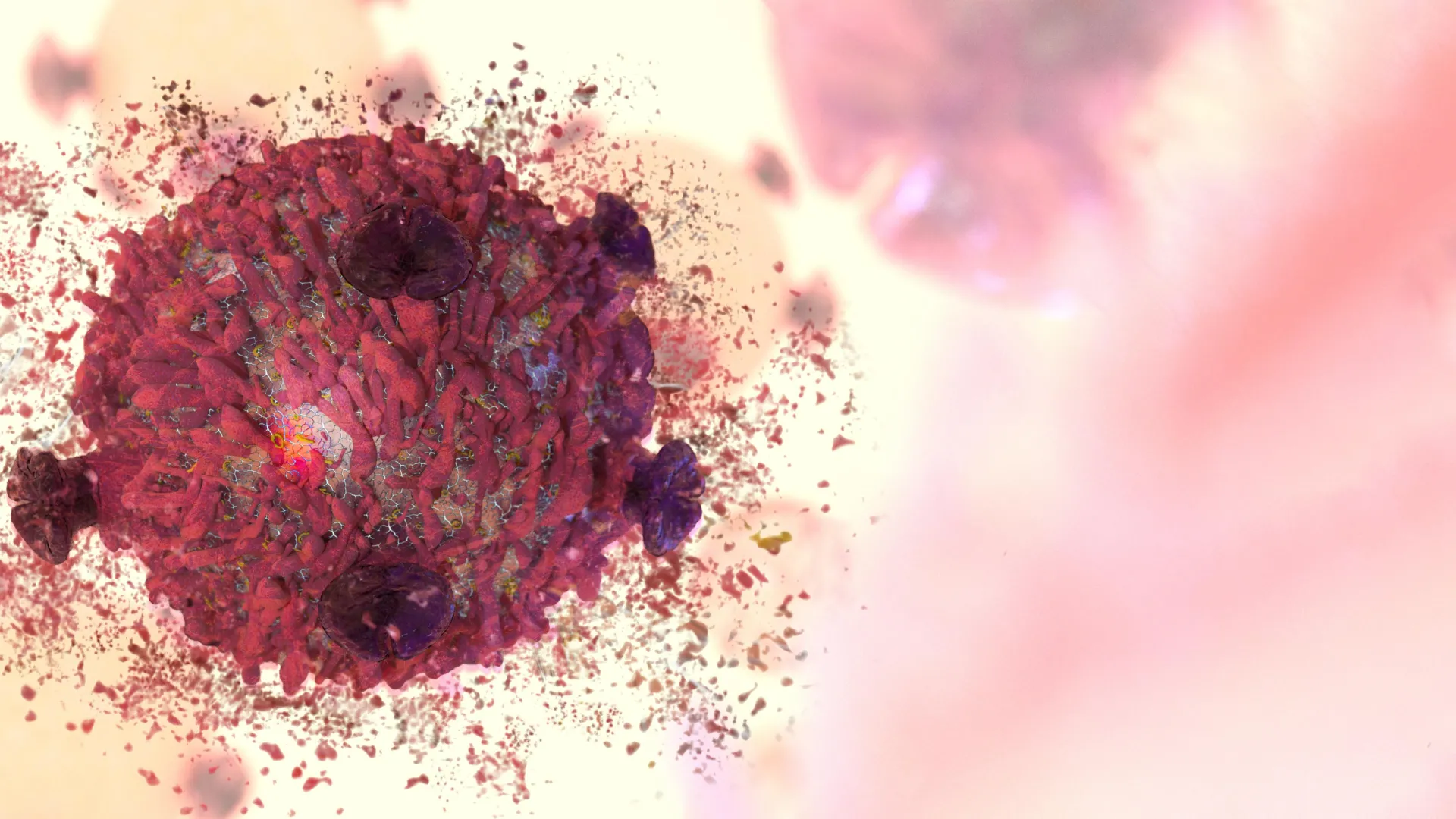
Mitraphylline is a natural alkaloid that occurs in only a few tropical species, and even then, in very small quantities. Laboratory studies have shown that this compound can selectively kill cancer cells, particularly those associated with leukemia, breast cancer, and colorectal cancer, while leaving healthy cells largely unharmed. Researchers believe that mitraphylline works by interfering with the cell cycle and inducing apoptosis—programmed cell death—in malignant cells. Because of its unique mechanism of action, it has drawn attention as a potential lead for new chemotherapy drugs.
2. The Mystery of Mitraphylline's Twisted Structure
Unlike many other plant alkaloids, mitraphylline possesses a surprisingly complex and twisted molecular architecture. For years, biochemists could not figure out how plants managed to assemble this unusual shape from simpler building blocks. The molecule contains a rare spirocyclic core—a kind of three-dimensional knot that gives it its biological activity. Understanding the biosynthetic pathway was the key to unlocking its potential, but the process remained hidden inside plant cells, guarded by unknown enzymes.
3. Two Enzymes Unlock Nature's Secret Recipe
Scientists at UBC Okanagan have now identified the two specific enzymes responsible for creating mitraphylline. One enzyme performs a critical oxidation step, while the second enzyme closes the ring to form the twisted spiro structure. Working together, these proteins act like a miniature assembly line, transforming a common precursor into the rare, active compound. The discovery, published in a leading journal, finally provides a clear genetic and biochemical blueprint for how mitraphylline is made—a breakthrough that had eluded researchers for years.
4. Why This Discovery Matters for Cancer Research
Understanding the enzymes means that scientists can now produce mitraphylline in the laboratory using fermentation or cell culture techniques, rather than harvesting wild plants. This is crucial because the current method requires extracting the compound from thousands of kilograms of plant material to get just a few milligrams. With the enzymes in hand, researchers can also modify the structure to create even more potent analogs. This discovery accelerates the timeline for developing mitraphylline into a viable, scalable cancer treatment.
5. The Challenge of Harvesting Tiny Amounts
One of the biggest obstacles to studying mitraphylline has been its scarcity. In cat’s claw, for example, the compound makes up less than 0.015% of the bark’s dry weight. Harvesting enough for research—let alone clinical trials—is ecologically unsustainable and economically prohibitive. Over-collection of cat’s claw has already threatened wild populations in the Amazon. The new enzymatic discovery offers a way to bypass this bottleneck entirely, by creating the compound in bioreactors using engineered yeast or bacteria.
6. A Sustainable Path Forward Through Biotechnology
With the two key enzymes identified, the next step is to transfer the genes for these enzymes into industrial microorganisms. This synthetic biology approach would allow for large-scale, cost-effective production of mitraphylline without harming tropical ecosystems. The UBC Okanagan team is already working to optimize this process, aiming to produce the compound at a purity and volume suitable for pharmaceutical development. If successful, it would serve as a model for how to rescue other rare medicinal compounds from ecological overshoot.
7. What Comes Next – From Lab to Medicine
Before mitraphylline can become a drug, it must undergo rigorous preclinical and clinical testing. The new ability to produce it in sufficient quantities will allow researchers to conduct animal studies and eventually human trials. Additionally, the discovery of the enzymes opens up possibilities for engineering plants to produce higher yields naturally. The UBC Okanagan team is collaborating with cancer biologists to test the compound against a wider range of tumors. While a commercial drug is still years away, the genetic roadmap now in hand makes the journey far more realistic.
Conclusion
The decoding of mitraphylline’s biosynthesis by researchers at UBC Okanagan represents a major leap forward in both natural product chemistry and cancer research. By revealing the two enzymes that weave this intricate molecule, the team has not only solved a long-standing biological mystery but also paved a sustainable path for its production. This means that a rare, potent anti-cancer compound once locked deep in tropical vines may one day become an accessible tool in the fight against cancer—thanks to the ingenuity of science and the secrets hidden in plant genomes.
Related Articles
- 7 Ways Masculine Norms Are Fueling Climate Change – And What We Can Do
- Samsung Canada Trade-In Page Hints at Upcoming Galaxy Watch 9: What We Know So Far
- Redefining Fat Metabolism: A Protein's Dual Role in Obesity and Health
- How to Mark a Quarter Century of Mars Exploration: Crafting a Global Map Celebration
- Supercomputer Simulations Reveal Secret of Dolphin's Speed: Vortex Rings and Tail Kicks
- Colombia Summit: 57 Nations Forge a Path Away from Fossil Fuels
- 7 Essential Insights into Automated Failure Attribution for LLM Multi-Agent Systems
- Detecting Continental Rifts: A Guide to Identifying New Tectonic Plate Boundaries with Geochemical Evidence