SPIFFE Identity Standard Becomes Urgent Fix as Autonomous AI Agents Outpace Traditional Security
As autonomous AI agents proliferate across industries, a battle-tested identity framework called SPIFFE (Secure Production Identity Framework For Everyone) is being rapidly adopted to solve a critical security gap: proving that an AI agent is who it claims to be.
Traditional identity systems built for human users and static credentials fail when applied to ephemeral, non-human actors like LLM-powered bots and robotic swarms, according to cybersecurity experts.
What SPIFFE Provides
SPIFFE issues cryptographically verifiable identities to workloads—not people. Each service or process receives a unique SPIFFE ID that can be automatically rotated and revoked, eliminating long-lived secrets like passwords or API keys.
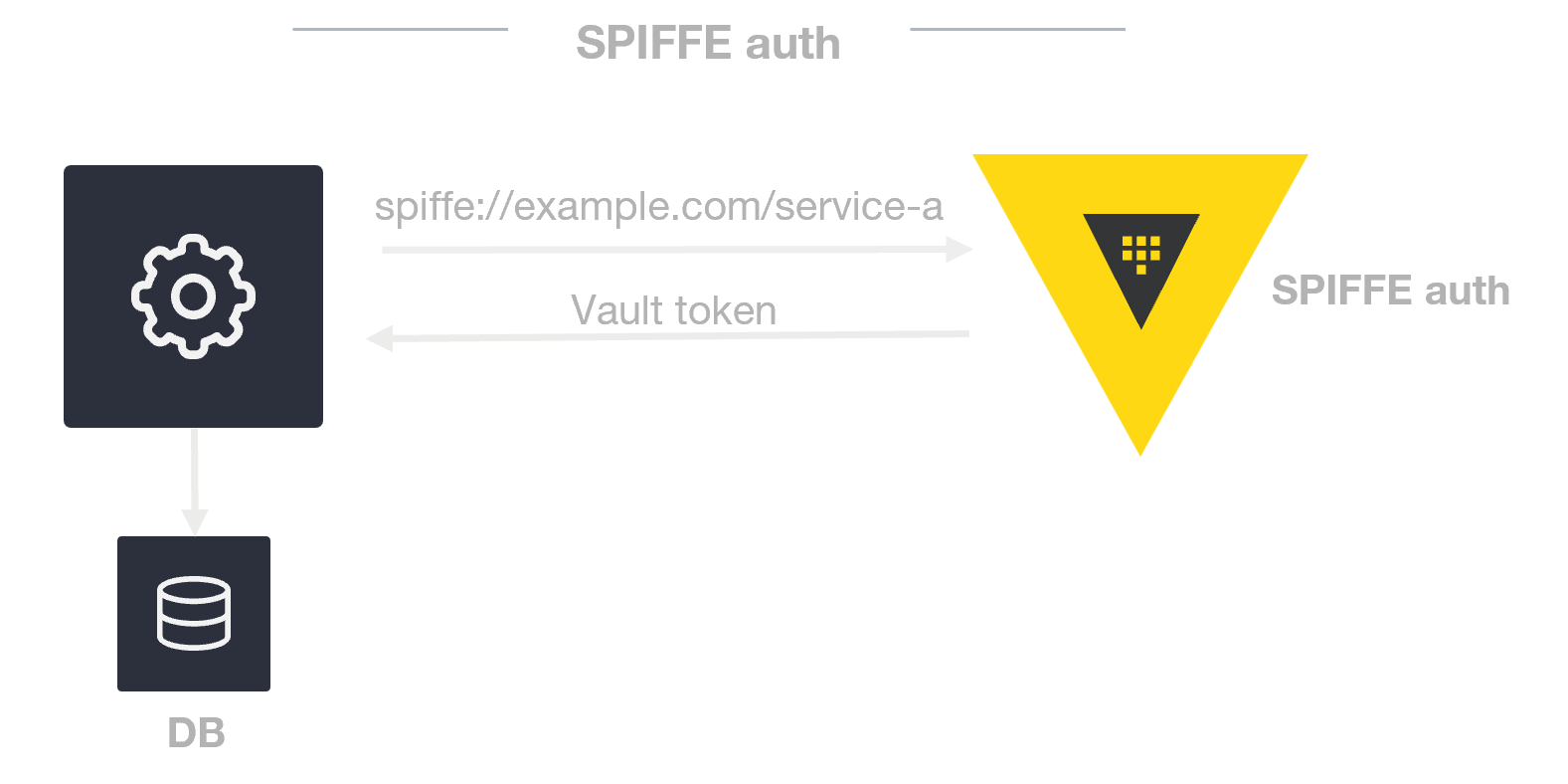
This standard originated in cloud-native microservices but is now being retooled for agentic AI systems that operate independently, make decisions, and interact across networks.
“SPIFFE provides the missing identity layer for multi-agent environments where trust must be established without human intervention,” said Dr. Elena Marchetti, a security researcher at the Cloud Native Computing Foundation.
Why SPIFFE Matters for Agentic AI
Autonomous AI systems need to prove their identity to other systems, establish trust in real time, and operate securely across organizational boundaries. SPIFFE enables this through four key capabilities:
- Verifiable non-human identity: SPIFFE IDs are workload-bound, ideal for AI agents and robots. Each agent can prove its origin, capabilities, and trust level.
- Zero trust architecture: Mutual TLS (mTLS) between agents ensures every interaction is authenticated and encrypted, preventing impersonation.
- Federation across domains: Identities can be validated across different clouds, organizations, or networks, enabling secure multi-agent collaboration.
- Dynamic identity lifecycle: Ephemeral identities with automatic rotation keep pace with rapidly spun-up and decommissioned AI agents, reducing attack surface.
Background: The Identity Crisis in Non-Human Actors
Traditional identity frameworks assume static, long-lived credentials managed by humans. But AI agents spin up and shut down in seconds, operate across multiple trust domains, and cannot reliably store secrets.
This has led to high-profile incidents where malicious actors impersonated legitimate AI agents to exfiltrate data or manipulate automated systems. SPIFFE directly addresses these vulnerabilities by tying identity to the workload’s runtime attributes.
The framework is already deployed in production environments that orchestrate thousands of microservices daily, providing a proven baseline for scaling to agentic AI.
Use Case: AI Agents in a Smart City
Consider a swarm of AI agents managing a city’s traffic lights, energy grids, and emergency response. Each agent must authenticate itself to others, prove authorization for specific actions, and communicate sensitive data securely.
SPIFFE issues each agent a short-lived identity that other agents can instantly verify via mTLS. If one agent is compromised, its identity is revoked automatically, isolating the threat.
“Without a framework like SPIFFE, you’re essentially letting anonymous actors walk into your control room,” commented Raj Patel, lead architect at a major smart-city project in Europe.
What This Means
The urgency for SPIFFE adoption comes as regulatory bodies begin scrutinizing AI agent accountability and liability. Frameworks that provide cryptographic identity will likely become compliance requirements.
For multi-agent systems, SPIFFE enables a trust fabric where every interaction is authenticated, logged, and auditable, reducing the risk of cascade failures from a single compromised agent. Expect to see SPIFFE integrated into major AI orchestration platforms within the next 12 months.
Organizations deploying autonomous AI should prioritize identity management now, before incidents force reactive mandates. As Dr. Marchetti warns, “The question isn’t whether your AI needs an identity—it’s whether you can afford to wait until after the breach.”
Related Articles
- 7 Essential Insights on SPIFFE for Securing AI Agents and Non-Human Identities
- Intel's 18A Ultimatum: PC Makers Face Hard Choices as Intel 7 Supply Fades
- 7 Key Insights into IREN's $2.1 Billion AI Data Center Deal with Nvidia
- Hardkernel Launches ODROID-H5: Intel Core i3-N300 SBC with 10GbE and Quad M.2 at $260
- Home Data Centers: Can Your House Power the Next AI Revolution?
- Asus Unleashes Next-Gen Dual-Screen Gaming Beast: Zephyrus DUO 2026 Pushes Performance to Extreme, Price Tag Shocks
- Rust 1.97 to End Support for Pre-Volta GPUs and Older CUDA Drivers in NVIDIA GPU Compilation Target
- Analog Devices Nears $1.5 Billion Deal for Voltage Regulator Startup Empower Semiconductor