Smart Water Bottles and Kidney Stones: Why Hydration Programs Fall Short
Kidney stones are excruciatingly painful and all too common, often recurring despite patients' best efforts. A groundbreaking study recently tested whether a high-tech hydration program—featuring smart water bottles, digital reminders, coaching, and even financial rewards—could help people drink enough water to prevent stones from coming back. While participants did increase their fluid intake, the results were surprising: the program didn't significantly reduce stone recurrence. This Q&A explores the study's findings, why hydration alone may not be enough, and what factors might be at play.
What exactly did the new study investigate regarding kidney stone prevention?
The study examined whether an intensive, technology-driven hydration program could prevent kidney stone recurrence more effectively than standard advice. Researchers recruited adults who had experienced at least one kidney stone episode in the past. Participants were randomly assigned to either a control group (receiving standard dietary guidance) or an intervention group that used smart water bottles tracking daily water intake. The bottles synced to an app providing reminders, personalized coaching, and small financial incentives for hitting hydration goals. The aim was to see if sustained high water intake—often cited as a key preventive measure—could reduce the likelihood of forming new stones over a follow-up period.
Why do many people with kidney stones fail to drink enough water?
Several barriers explain why patients often fall short of recommended water intake. First, habit formation is difficult; drinking water consistently throughout the day requires conscious effort and lifestyle adjustments. Many individuals simply forget to drink, especially during busy workdays or while sleeping. Second, access to convenient water sources matters—people may not carry water bottles or have clean drinking water readily available. Third, taste preferences and satiety play a role: some find plain water unappealing or feel it makes them urinate too frequently. Finally, medical conditions like overactive bladder or medications can discourage fluid intake. The study's high-tech approach aimed to address these barriers by tracking intake, sending reminders, and offering small rewards to build a sustainable habit.
How did the study use technology to encourage hydration?
The intervention relied on a smart water bottle that measured liquid consumed and transmitted data via Bluetooth to a mobile app. The app displayed daily progress toward customized goals (typically 2 to 3 liters of water per day, adjusted for climate and activity). It sent push notifications as reminders to drink, especially during periods when intake was low. Participants also received personalized coaching messages based on their patterns, offering encouragement and tips to overcome obstacles. Furthermore, the app provided financial micro-incentives: small cash payments (a few cents per day) for meeting targets, up to a cap over the study period. This multi-pronged approach leveraged technology to create accountability, track behavior objectively, and motivate sustained change.
What were the financial incentives in the study, and did they work?
Participants in the intervention group could earn up to about $100 over the study duration by consistently reaching their daily water intake goals. The payments were small—typically $0.10 to $0.50 per day—but structured to reinforce habit formation. The idea was that immediate small rewards would help overcome the initial effort of changing behavior. During the study, the intervention group did drink significantly more water than the control group—an average of about 1 liter more per day. However, once the financial incentives ended, adherence declined. This suggests that while financial rewards can boost short-term compliance, they alone do not create lasting habit change. The study highlights the challenge of maintaining high fluid intake without ongoing external reinforcement.
Did the high-tech hydration program succeed in preventing stone recurrence?
Surprisingly, the study found no statistically significant reduction in kidney stone recurrence among the intervention group compared to the control group. Even though participants in the high-tech group drank more water overall—a substantial increase—the number of new stones formed was similar between the two groups over the follow-up period (about 1-2 years). Several factors may explain this: first, stone formation is complex and influenced by diet, genetics, and underlying metabolic conditions beyond just hydration. Second, the study period might be too short to capture true recurrence rates, as stones can take years to develop. Third, some stones may already have been present at the start of the study (not detectable by imaging). The findings challenge the assumption that merely boosting water intake is sufficient for everyone.
What factors other than water intake contribute to kidney stone formation?
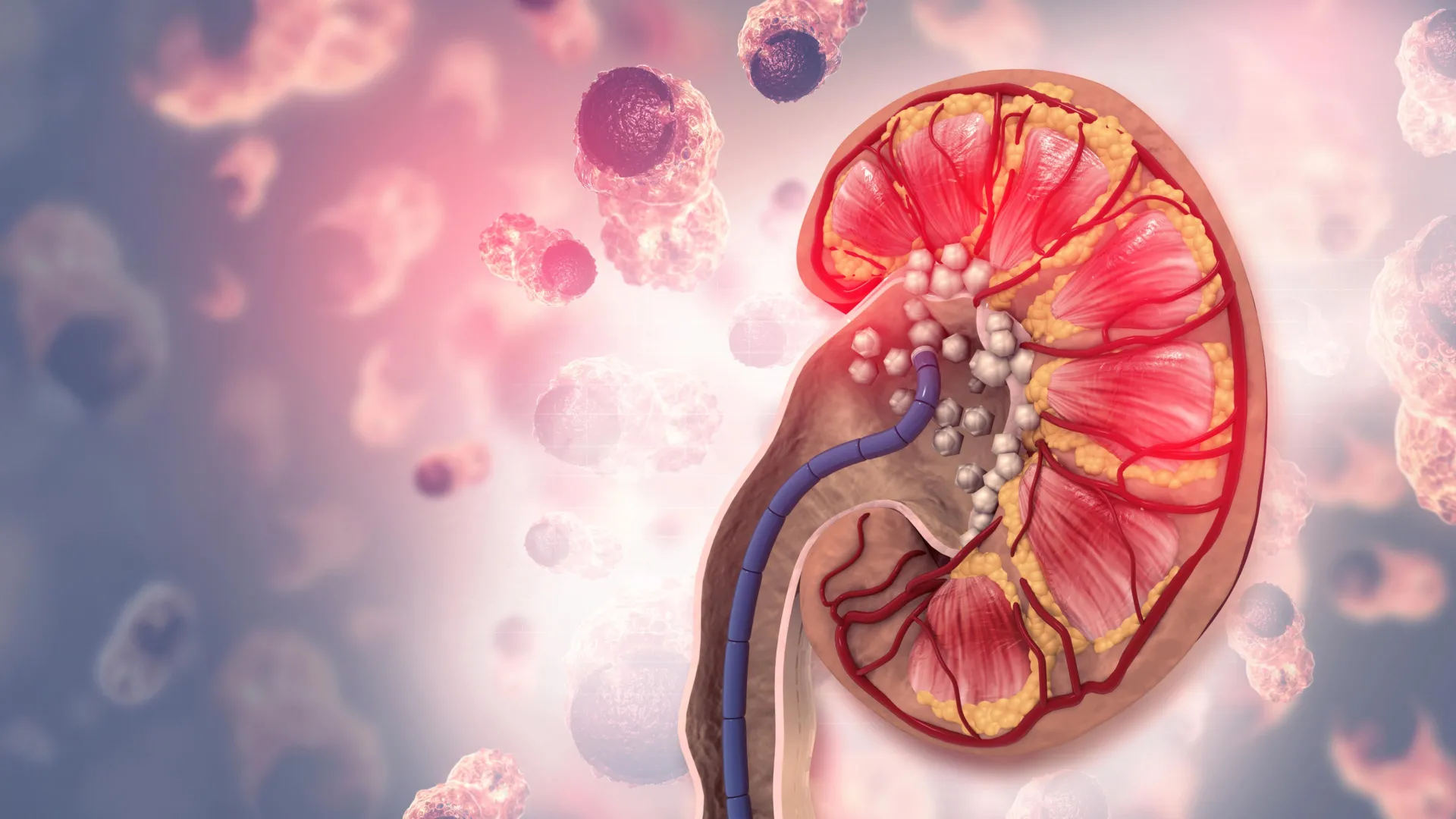
Kidney stones form when urine becomes supersaturated with certain minerals like calcium, oxalate, uric acid, or cystine. Dietary factors—high sodium, excessive animal protein, and oxalate-rich foods (spinach, nuts, chocolate)—can increase risk. Genetics play a role; some people have inherited metabolic disorders that promote stone formation. Obesity, diabetes, and gout are also linked to higher stone risk. Medications like diuretics or antacids may alter urine composition. Additionally, urinary tract infections can produce struvite stones. The type of stone matters: calcium oxalate stones are most common, but uric acid stones require different interventions (e.g., alkalinizing urine). Therefore, individualized prevention strategies—beyond water—include dietary modifications, medication adjustments, and treating underlying conditions.
What alternative or complementary strategies might help prevent kidney stones besides hydration?
While drinking enough water (typically 2-2.5 liters per day) remains a cornerstone, customized approaches are essential. Dietary changes include limiting sodium (less than 2,300 mg/day), reducing animal protein intake, and avoiding high-oxalate foods if you have calcium oxalate stones. Increasing citrate consumption from lemonade or orange juice can help inhibit stone formation. For uric acid stones, lowering purine intake (red meat, shellfish) and using medications like allopurinol may be needed. Medication adjustments under a doctor's guidance, such as thiazide diuretics for hypercalciuria, can reduce calcium excretion. Regular monitoring of urine pH and stone analysis helps tailor prevention. The study's takeaway is that one-size-fits-all hydration programs may not address underlying metabolic risk factors; thus, a comprehensive evaluation by a urologist or nephrologist is crucial.
Related Articles
- JetStream 3.0 Launches to Fix Browser Benchmark 'Infinity Problem'
- SpacemiT K3 RVA23 RISC-V Processor: Early Benchmarks and First Impressions on the K3 Pico-ITX
- Building a Homemade Wire EDM Machine: From CNC Router to Precision Gear Cutting
- iOS 27 AI Features: Custom Wallpapers and Smart Shortcuts Explained
- How Google Pixel's Now Playing App Transformed My Everyday Listening Experience
- Why the Mac Mini Is the Top Choice for Perplexity's Personal Computer AI
- Mastering Google Pixel's Now Playing: Your Complete Guide to the Offline Song Identifier
- How to Transform Your TV's Picture Quality: 6 Essential Adjustments for a Premium Experience