10 Surprising Insights: How a Common Constipation Drug Could Shield Your Kidneys
Introduction
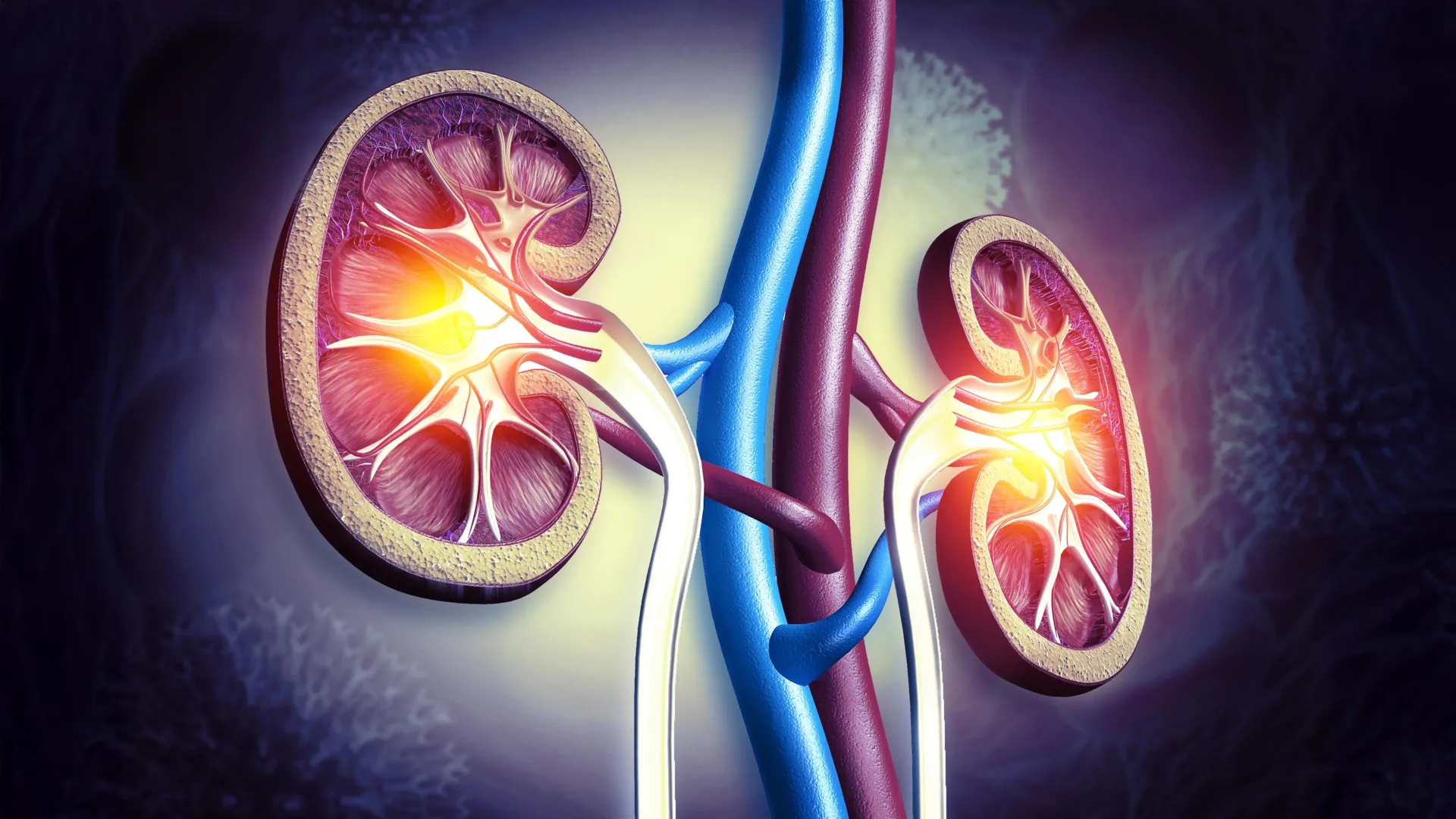
In an unexpected twist, a medication commonly used to relieve constipation has shown remarkable potential to slow the progression of chronic kidney disease (CKD)—a condition that afflicts millions worldwide and often leads to dialysis. A recent clinical trial involving 150 patients revealed that lubiprostone, a drug typically prescribed for constipation, helped preserve kidney function in individuals with moderate CKD. The mechanism behind this surprising benefit lies in the gut: the drug alters gut bacteria, leading to increased production of spermidine, a compound known to support mitochondrial health and reduce kidney damage. This article explores ten key insights from this groundbreaking discovery, shedding light on how a simple constipation remedy might open new avenues for kidney protection.
1. An Unexpected Discovery
Researchers stumbled upon the kidney-protective effects of lubiprostone almost by accident. While studying the drug’s impact on gut health in CKD patients, they noticed that those taking it experienced a slower decline in kidney function compared to a control group. This finding challenges the traditional view that the gut and kidneys operate independently, highlighting a surprising connection that could reshape treatment strategies for CKD.
2. What Is Lubiprostone?
Lubiprostone is a medication approved for chronic idiopathic constipation and irritable bowel syndrome with constipation. It works by increasing fluid secretion in the intestines, easing bowel movements. Its safety profile is well-established, making it an attractive candidate for repurposing. The drug’s newfound role in kidney protection, however, was not anticipated based on its original mechanism of action.
3. The Clinical Trial Details
The study enrolled 150 patients with moderate CKD (stages 3–4) who were randomly assigned to receive lubiprostone or a placebo over a 12-week period. Researchers measured kidney function using estimated glomerular filtration rate (eGFR) and markers of kidney damage. Results showed that the lubiprostone group maintained stable eGFR levels, while the placebo group experienced a significant decline, indicating a protective effect.
4. Gut Bacteria: The Missing Link
To understand how a constipation drug could benefit the kidneys, scientists analyzed the patients’ gut microbiomes. They discovered that lubiprostone significantly altered the composition of gut bacteria, increasing the abundance of specific strains that produce spermidine—a polyamine compound with known anti-inflammatory and antioxidant properties. This bacterial shift appears to be the driving force behind the kidney protection.
5. Spermidine: The Key Player
Spermidine is a naturally occurring compound found in foods like aged cheese and mushrooms. It plays a crucial role in cellular health, particularly by promoting autophagy—a process that clears damaged cellular components. In the context of CKD, spermidine helps reduce oxidative stress and inflammation in kidney cells, thereby slowing tissue damage. The lubiprostone-induced increase in spermidine levels seems to amplify these protective effects.
6. Mitochondrial Health and Kidney Protection
Mitochondria, the energy powerhouses of cells, are particularly vulnerable in CKD due to oxidative stress. Spermidine has been shown to enhance mitochondrial function by improving electron transport chain activity and reducing reactive oxygen species. By boosting spermidine production, lubiprostone may help preserve mitochondrial integrity in kidney cells, preventing energy failure and subsequent cell death.
7. Implications for CKD Patients
For the millions of CKD patients facing a high risk of progression to kidney failure, new treatments are desperately needed. Current therapies only modestly slow disease progression, often with side effects. Lubiprostone offers a novel, well-tolerated option that targets the gut-kidney axis—a relatively unexplored therapeutic route. If confirmed in larger trials, it could become an adjunctive therapy to standard care.
8. Safety and Tolerability
Lubiprostone is generally well-tolerated, with common side effects like nausea and diarrhea. In the trial, no serious adverse events related to the drug were reported among CKD patients, suggesting it is safe in this population. However, long-term safety data in CKD are lacking, and further studies are needed to monitor potential effects on electrolyte balance and fluid status, which are critical in kidney disease.
9. Next Steps in Research
While these findings are promising, they are preliminary. Larger, longer-term clinical trials are necessary to confirm the benefits and establish optimal dosing. Researchers also aim to identify specific gut bacteria that produce spermidine in response to lubiprostone, which could pave the way for probiotic or dietary interventions. Additionally, studying the drug’s effects in advanced CKD and dialysis patients will help define its scope.
10. A Paradigm Shift in CKD Management
The discovery that a common constipation drug can protect kidneys through gut microbiome modulation represents a significant paradigm shift. It underscores the importance of the gut-kidney axis and opens new avenues for repurposing existing medications. As research progresses, this humble drug may become a cornerstone in the fight against chronic kidney disease, offering hope for millions.
Conclusion
The journey from a constipation remedy to a potential kidney protector is a testament to the power of serendipity in medical research. Lubiprostone’s ability to alter gut bacteria and boost spermidine levels provides a fresh perspective on CKD treatment, one that leverages the body’s own microbial ecosystem. While more work lies ahead, these initial insights offer a promising glimpse into a future where a simple, affordable drug could help preserve kidney function and improve the lives of patients worldwide.
Related Articles
- Understanding the Growing Health Threat of Wildfire Smoke: A Comprehensive Guide
- Supreme Court Weighs 'Skinny Labeling' as AstraZeneca Revives UK R&D Investments
- Genomic Testing Urged as First-Line Tool, Not Last Resort
- Everything You Need to Know About the Google Fitbit Air
- 10 Key Insights from Apple's New Hearing Study on AirPods
- A DNA-Based Breakthrough Slashes LDL Cholesterol Without Statins
- Pioneering the Genomic Revolution: Lessons from J. Craig Venter's Approach to Biotechnology
- How to Reduce Your Baby's Exposure to PFAS in Formula