How to Interpret Tesla's New Roadster Trademark Applications as a Launch Indicator
Introduction
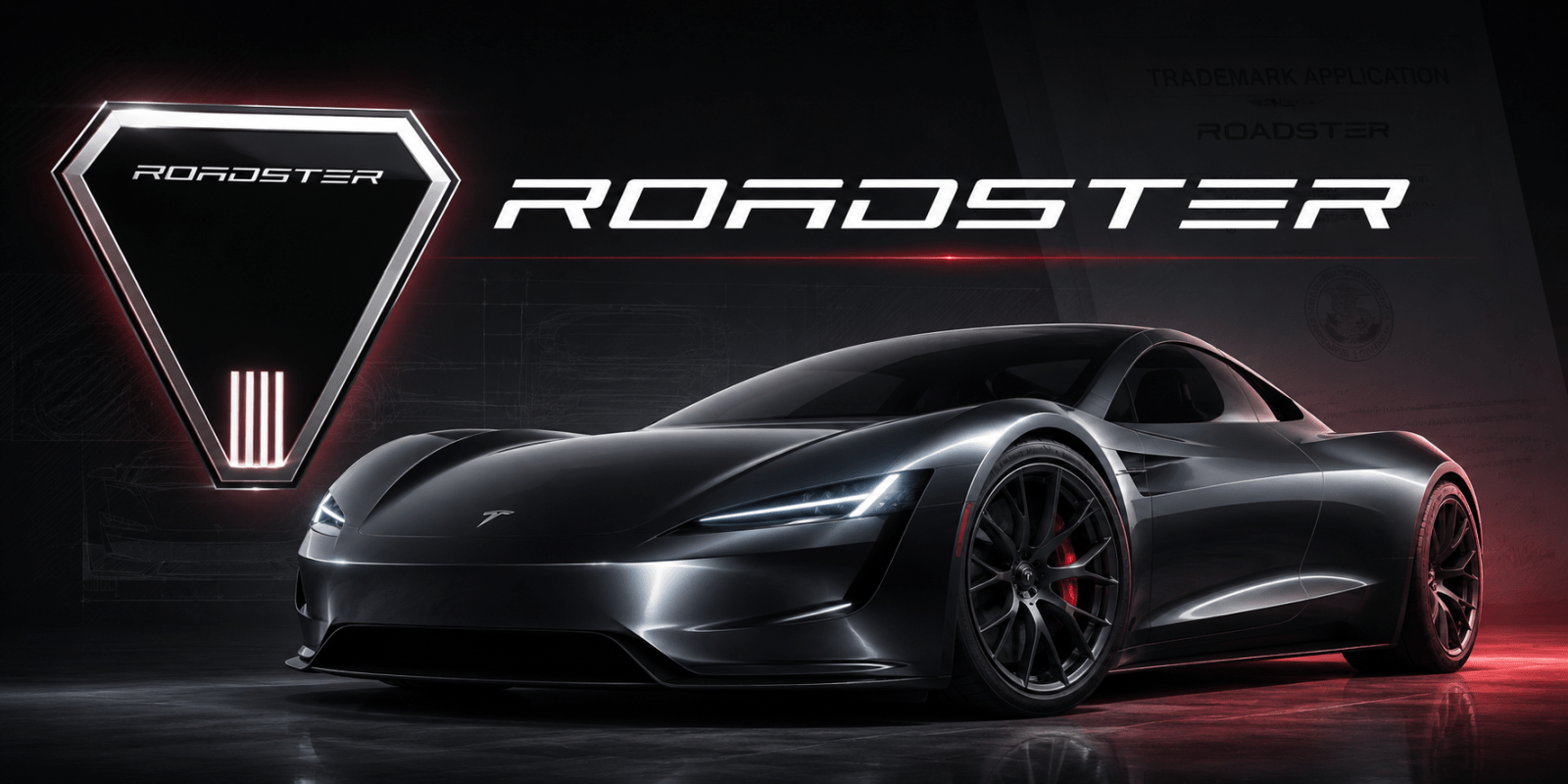
Trademark filings often serve as early signals that a company is preparing to bring a new product to market. In the case of Tesla, two recent applications with the United States Patent and Trademark Office (USPTO) have revealed a stylized wordmark and a distinctive triangular badge for the long-awaited Roadster — the clearest indication yet that the electric supercar may finally be approaching production, nearly nine years after its prototype debut. This guide will walk you through how to analyze these filings and what they tell us about the Roadster's launch timeline.
What You Need
- Access to the USPTO Trademark Search database (tsdr.uspto.gov)
- Basic familiarity with trademark classifications (e.g., Class 12 for vehicles)
- Knowledge of Tesla's existing branding (the 'T' logo, wordmark style)
- Patience to follow multi-step analysis
Step-by-Step Guide
Step 1: Locate the Trademark Filings
Visit the USPTO Trademark Status & Document Retrieval (TSDR) system. Use search terms like Tesla or Roadster with status Live. The two recent filings are design marks — one for a stylized wordmark (the word Roadster in a specific font) and another for a standalone triangular badge. Verify the serial numbers (if available in news) to ensure you are viewing the correct records.
Step 2: Identify the Type of Mark Filed
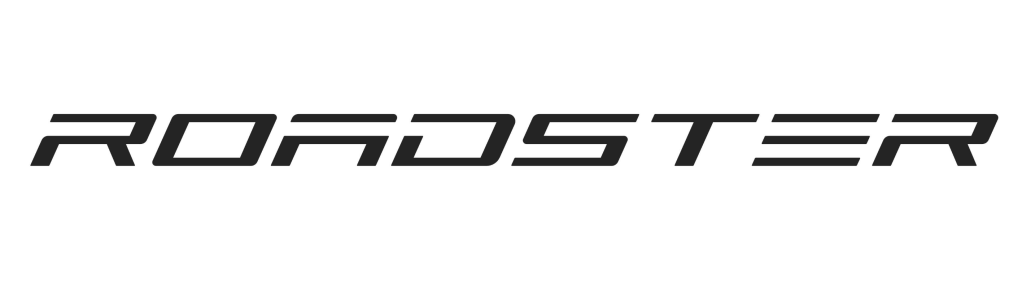
Trademarks can be either a standard character mark (protects the word itself) or a design mark (protects a logo or stylized text). Tesla filed design marks for both. The stylized wordmark shows the Roadster name written in a custom typeface, while the triangular badge is a geometric logo resembling a truncated triangle — a departure from the circular Tesla 'T' logo. Note that design marks offer broader protection for the visual identity.
Step 3: Contrast with Tesla's Standard Branding
Tesla's current primary logo is a stylized 'T' that resembles a shield. The new triangular badge is a radical shift — it is asymmetric and sharp-angled, suggesting a sportier, more aggressive brand identity for the Roadster model. Compare this with the existing Model S, Model 3, Model X, and Model Y wordmarks, which use a clean sans-serif typeface. The Roadster's wordmark appears more dynamic, with italicized or slanted letters.
Step 4: Assess the Timeline Since the Prototype
The original Roadster prototype was unveiled in November 2017. Nearly nine years later (as of 2025), these trademark filings are the strongest legal step Tesla has taken to secure the Roadster name and logo. In trademark law, an application is often filed months before a product launch to secure rights. The long gap — and the specific, unique design — implies Tesla is now moving toward production rather than simply reserving the name.
Step 5: Look for Additional Context
Check for related filings: Has Tesla filed for any new powertrain patents or manufacturing equipment trademarks? Are there simultaneous applications from suppliers? Also monitor Tesla's official social media and Elon Musk's statements. The trademark filings alone do not guarantee launch — but when paired with rumors of a new Gigafactory line or battery advancements, the probability increases. The triangular badge is particularly notable because it suggests a distinct sub-brand — something Tesla has not done before.
Step 6: Draw Conclusions About Launch Readiness
Based on the filings, the Roadster appears to be in the advanced pre-launch phase. The unique badge indicates Tesla intends to position it as a flagship halo car, separate from the mainstream lineup. The nine-year delay means expectations are high, but trademark protection is a concrete signal that engineering is finalized enough to require legal protection. Investors and enthusiasts should watch for next steps: a production prototype, pricing reveal, or a reservation system.
Tips for Deeper Analysis
- Cross-reference with similar automakers: Compare how Ferrari or Porsche file trademarks before unveiling new models — the pattern is similar.
- Use trademark classification codes: Tesla's filings likely include Class 12 (vehicles), Class 9 (electronics), and Class 25 (apparel) — indicating merchandise, which often accompanies a launch.
- Track abandonment dates: If Tesla later abandons the trademark, it can signal a delay. Maintain a watchlist on USPTO status.
- Look for international filings: Tesla may also file in Europe and China — check WIPO’s Global Brand Database for a broader picture.
- Don't over-interpret: Trademark filings are just one piece of the puzzle. Combine with financial reports, production equipment orders, and insider interviews for a holistic view.
Conclusion
The Tesla Roadster trademark applications — featuring a stylized wordmark and a unique triangular badge — are the clearest legal signal yet that the long-delayed supercar is nearing launch. By following the steps above, you can systematically evaluate such filings and gauge a company’s product readiness. Whether you are an investor, a fan, or a competitor, understanding these moves gives you an edge in anticipating the next big reveal.
Related Articles
- Australia's Home Battery Boom Hits 400,000 Installations, Matching Grid-Scale Storage Capacity
- Flutter and Dart Websites Move to Unified Jaspr Framework, Dropping Node.js and Python Stacks
- Lexus's Three-Row Electric SUV: Spied and Set to Debut – Your Questions Answered
- Motorola's First Book-Style Foldable: The razr fold Packs Snapdragon 8 Gen 5, 16GB RAM, and a Massive 6,000mAh Battery
- How Wind and Solar Saved the UK Billions in Gas Imports Since the Iran Conflict
- UK Car Industry Exaggerates EV Demand Shortfall as Official Data Shows Mandate Targets Surpassed
- How to Stay Ahead of Climate News in a Rapidly Changing World
- Breaking: Google Cloud Next 2026 Unveils Full-Stack Dart and AI-Powered Flutter Demos